Reviewing the Pink Christmas Tree PNG for Embroidery
As a designer who has spent countless hours digitizing files and troubleshooting machine errors, I approach every new Illustrations asset with a critical eye. It is not enough for a design to look pretty on a screen; it must survive the mechanical reality of needle and thread. Recently, I evaluated the About Pink Christmas PNG, Christmas Tree to determine its viability for real-world production. This is not just a graphic; it is a potential cornerstone for holiday merchandise, provided it is handled with technical precision.
First Impressions and Visual Personality
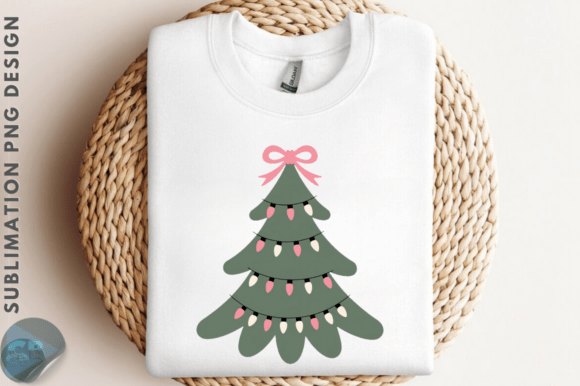
The immediate appeal of the About Pink Christmas PNG, Christmas Tree lies in its departure from traditional red and green palettes. The soft pink tones evoke a modern, whimsical mood that fits perfectly into contemporary boutique aesthetics. For embroidery designers, this color shift is significant. It moves the piece away from generic holiday decor and into the realm of personalized, trendy fashion. The shape is clean, avoiding excessive jagged edges that often cause thread breaks or puckering. However, because this source file is a PNG within the Illustrations category, it requires careful preparation before it can become a functional machine embroidery design.
The visual personality is gentle yet festive. It does not shout; it whispers. This makes it ideal for customers who want subtle holiday spirit rather than overt seasonal branding. When I visualize this on a product, I see it working best where negative space is respected. The layout suggests a central focal point, which is crucial for maintaining stitching clarity on smaller items.
Real-World Application Scenarios
To truly test the value of this asset, I imagined several production scenarios. The most promising application is a custom tote bag design. A canvas tote provides a stable, medium-weight fabric that holds stitch definition well. The pink tree would stand out beautifully against natural beige or white canvas, creating a high-contrast, chic look that appeals to younger demographics.
Another strong candidate is sweatshirt embroidery. Here, the softness of the pink complements the cozy texture of fleece or French terry. However, one must be cautious with stitch density. If the design is converted into a dense fill stitch area without proper underlay, it may stiffen the garment uncomfortably. For a personalized gift, such as a baby onesie, the design’s gentle colors are perfect. Yet, the small scale of infant clothing means the design must be simplified. Complex details in the original PNG might get lost or cause irritation against sensitive skin if not properly digitized with lighter running stitch outlines.
For Etsy sellers and small shop owners, this design offers versatility. It can be adapted for embroidered patch creation, where the edges are finished with a satin stitch border to prevent fraying. Patches are low-risk items for testing new designs because they do not require hooping the final garment directly. This allows for experimentation with thread colors and tension settings without ruining expensive apparel.
Technical Challenges and Fabric Considerations
While the aesthetic is strong, the technical execution requires vigilance. Since the source is a raster image (PNG), it lacks the vector precision needed for automatic digitizing software. A skilled digitizer must manually trace the shapes to ensure smooth curves. If you attempt to auto-digitize this digital embroidery file, you risk creating a "jagged" appearance in the satin columns.
Fabric choice is paramount. On textured fabrics like linen or heavy denim, the fine details of the tree branches may disappear. In these cases, increasing the stitch width or simplifying the internal details is necessary. Conversely, on thin or stretchy fabrics, such as jersey knits used for t-shirts, the design needs robust stabilization. Without a cut-away stabilizer, the weight of the thread will distort the fabric, causing the tree to look warped after washing.
Dark fabrics present another challenge. The pink hues may not pop against navy or black unless a white underlay is used effectively. I recommend testing the design in black and white mockups first to check contrast. If the design relies solely on color for definition, it will fail on monochrome backgrounds. Always verify that your hoop size accommodates the full design with adequate margin for clamping, especially if you plan to place it on curved surfaces like caps.
Enhancing Product Value and Brand Consistency
From a business perspective, the About Pink Christmas PNG, Christmas Tree can elevate the perceived value of a handmade product. Customers associate clean, well-executed embroidery with quality. A messy, poorly digitized version of this design will damage brand trust. However, a crisp, professionally stitched version signals attention to detail. This is crucial for commercial embroidery projects where consistency across multiple units is required.
For craft business owners, this design fits well within a cohesive holiday collection. It pairs nicely with other pastel or modern holiday motifs. Using it in printable mockup previews can help gauge customer interest before committing to large production runs. The unique color scheme helps differentiate your small shop product from the sea of traditional red-and-green items flooding the market during Q4.
Practical Designer Notes for Execution
Before launching this design into your embroidery project queue, follow these practical steps:
- Test on Scrap Fabric: Never stitch directly on the final garment. Use the same fabric type and weight to check for puckering or thread breaks.
- Check Thread Contrast: Ensure the pink threads have sufficient contrast against the background fabric. If using light pink on white, consider adding a darker outline.
- Review Stitch Density: High density looks lush but adds weight and stiffness. Balance fill areas with open spaces to maintain fabric drape.
- Confirm Hoop Size: Measure the design dimensions after digitizing. Ensure it fits comfortably within your machine’s hoop without hitting the clamps.
- Inspect Small Details: Zoom in on the digitized file. Are there tiny jumps or unnecessary trims? Clean up the pathing to reduce production time.
- Verify Licensing: Since this is a PNG from an Illustrations library, confirm whether the license allows for commercial use of the derived embroidered items. Some licenses restrict the sale of digital files but allow physical goods; others may require attribution.
In conclusion, the About Pink Christmas PNG, Christmas Tree is a promising asset for the right creator. It offers a fresh take on holiday themes, suitable for modern custom apparel and gifts. However, its success depends entirely on the skill of the digitizer and the care taken in production. Treat it not just as an image, but as a blueprint for thread. With proper technical handling, it can become a standout feature in your holiday inventory, delighting customers with its charm and craftsmanship.