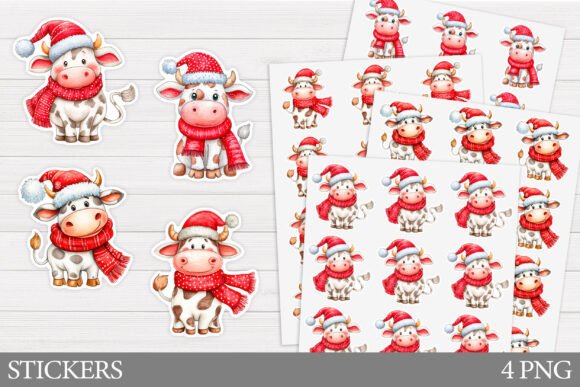
Reviewing the Christmas Cow Sticker Printable for Embroidery
As a designer who spends more time staring at digitized paths than I do sleeping, I have learned that not every cute graphic translates well to thread. We live in an era where digital assets are abundant, but finding a machine embroidery design that balances charm with technical stitchability is a different challenge entirely. Recently, I evaluated the Christmas Cow Sticker Printable to see if it holds up under the needle. This isn’t just about whether the image is adorable—though it certainly is—but whether it functions as a viable asset for real-world embroidery projects.
First Impressions: Mood and Visual Personality
The first thing that strikes you about this design is its playful, whimsical energy. It captures that specific holiday nostalgia we all crave, blending farmyard charm with festive cheer. The layout is compact and self-contained, which is crucial for embroidery. Unlike sprawling illustrations that require massive hoops and hours of machine time, this design feels intentional and focused. The visual personality is soft and approachable, making it an ideal candidate for items meant to evoke warmth and comfort.
From a design perspective, the lines are clean. In the world of Illustrations, complexity can be a enemy of clarity when converted to thread. Here, the shapes are distinct enough to allow for clear color separation. This is vital because muddy transitions between thread colors can ruin the crispness of a character design. The mood it creates is lighthearted, suggesting that this piece belongs on products that are meant to be touched, held, and enjoyed daily.
Real-World Application: The Tote Bag Test
To truly understand the value of the Christmas Cow Sticker Printable, I imagined a specific client scenario. A local boutique owner wanted a run of limited-edition holiday tote bags. She needed something that would appeal to both children and adults, avoiding the trap of being too juvenile or too stiff. This design fit the bill perfectly.
When placed on a canvas tote bag design, the cow’s festive elements pop against the neutral fabric. The scale is versatile; it is large enough to be a focal point on a bag but small enough to sit comfortably on the chest of a sweatshirt. For sweatshirt embroidery, the design’s balanced density means it won’t weigh down the garment or cause excessive puckering, provided the right stabilizer is used. It transforms a basic item into a handmade product with perceived value.
Beyond apparel, this design shines in home decor. Imagine it stitched onto a linen tea towel or a cozy pillow cover. The thematic consistency of holiday embroidery often leans heavily on traditional symbols like snowflakes and trees. Introducing a character element like this cow adds a layer of personality that helps small shop owners differentiate their Etsy seller listings from the sea of generic holiday goods.
Versatility Across Product Lines
The adaptability of this asset extends to various niches. For baby embroidery, the soft curves and friendly face make it safe and appealing for nursery decor or infant caps. However, when considering custom apparel for adults, such as aprons or denim jackets, the design retains its charm without feeling out of place. It works equally well as a standalone motif or as part of a larger collection of farm-themed holiday assets.
For those running a craft business, versatility is key to profitability. You want a design that can be sold as a finished item, like an embroidered patch, or used to embellish ready-made goods. The compact nature of this cow design makes it ideal for patches, which are currently trending in the maker community. It allows for quick production times, which is essential for meeting holiday demand.
Technical Considerations and Stitching Clarity
While the aesthetic is strong, the technical execution is where many designs fail. When reviewing any digital embroidery file, I look closely at how the details will translate to thread. Will the eyes remain distinct? Will the festive accessories, like a scarf or hat, blend into the body?
In this case, the design appears to rely on a mix of satin stitch for borders and finer details, and fill stitch for larger color blocks. This is a standard and effective approach. Satin stitches provide that glossy, premium look that customers associate with high-quality embroidery. However, designers must be cautious with satin columns that are too wide, as they can snag. Assuming the digitizer has kept column widths within standard limits, the result should be smooth and professional.
Stitch density is another critical factor. If the density is too high, the fabric will pucker, especially on lighter materials. If it is too low, the fabric background will show through, ruining the opacity of the design. For a project like this, a medium density is ideal. It ensures coverage without adding unnecessary bulk. Always check the recommended hoop size before purchasing. While this design looks small, ensuring it fits your standard 4x4 or 5x7 hoop is necessary for efficient workflow.
Navigating Fabric and Texture Challenges
Not all fabrics behave the same way. When using this design on textured fabrics like terry cloth towels or fuzzy fleece, some fine details might get lost. In these cases, simplifying the thread palette or using a slightly larger hoop size to scale up the design can help maintain clarity. Conversely, on thin or stretchy fabrics, proper stabilization is non-negotiable. A cut-away stabilizer is often best for garments that will be washed frequently, ensuring the finished product retains its shape over time.
Dark fabrics present another challenge. If you are stitching this on a navy or black garment, you may need to add an underlay or use a lighter backing thread to ensure the vibrant thread colors of the cow stand out. Testing on scrap fabric is the only way to confirm this. Never skip the test stitch. It saves time, thread, and frustration in the long run.
Commercial Viability and Brand Consistency
For commercial embroidery professionals, the license terms are paramount. Before selling any items made with this design, you must confirm whether the creator allows for commercial use. Most reputable designers offer licenses that permit selling finished physical goods, but restrictions often apply to sharing the digital file itself. Always read the terms carefully.
Using consistent, high-quality assets like the Christmas Cow Sticker Printable helps build brand trust. Customers recognize quality. When they see clean stitches, vibrant colors, and thoughtful design placement, they are more likely to return. This design supports that goal by offering a polished look that enhances the perceived value of your small shop product.
Moreover, this design is excellent for creating printable mockup previews for your online store. A realistic digital preview can significantly boost buyer engagement. By showcasing the design on various items like mugs, shirts, and bags in your listing photos, you help customers visualize the final result, reducing hesitation and increasing conversion rates.
Final Designer Notes
To get the best results from this design, keep these practical tips in mind:
- Test on Scrap Fabric: Always run a test stitch on the same type of fabric you plan to use for the final product.
- Check Thread Contrast: Ensure your thread colors contrast sufficiently with the fabric background for maximum visibility.
- Use Proper Stabilizer: Match your stabilizer to the fabric weight and stretch to prevent puckering.
- Inspect Small Details: Zoom in on the digitized file to check for any overly dense areas or tiny jumps that might cause issues.
- Confirm Licensing: Verify the commercial use rights before selling any finished items.
In conclusion, the Christmas Cow Sticker Printable is a strong contender for your holiday design library. It offers a blend of charm and technical practicality that suits a wide range of applications. Whether you are creating personalized gifts for friends or stocking your Etsy shop with festive merchandise, this design provides the flexibility and visual appeal needed to succeed. Just remember to respect the technical constraints of embroidery, and you will produce a finished product that delights customers and stands the test of time.