Reviewing the Faux Yarn Christmas PNG for Embroidery
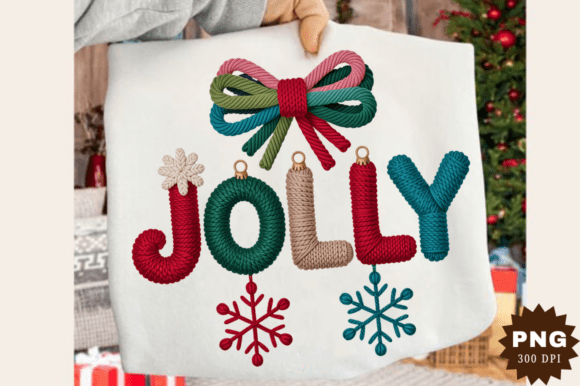
As a designer who spends half my life staring at digitized files and the other half pulling thread through fabric, I have learned to look past the glossy preview images. When I first opened the Faux Yarn Christmas PNG, Holly Jolly PN, my initial reaction was not just about the aesthetic appeal, but about its structural integrity for real-world application. This is not merely a digital illustration; it is a potential asset for holiday collections, and treating it as such requires a critical eye. The design carries a cozy, tactile warmth that mimics the texture of knitted wool, a trend that has dominated winter fashion for years. But does this visual trick translate well when converted into actual stitches?
The Visual Personality and First Impressions
The mood of the Faux Yarn Christmas PNG, Holly Jolly PN is undeniably festive without being overly chaotic. It strikes a balance between modern minimalism and traditional holiday cheer. The layout suggests a focus on clean lines and rounded shapes, which is crucial for embroidery. Sharp, jagged edges often cause tension issues in machine embroidery, but the organic, soft contours seen in this design hint at a smoother stitching process. For an embroidery project intended for boutique sales, this visual personality is a strong selling point. It feels approachable and handmade, even before the needle hits the fabric.
When evaluating Illustrations for conversion or direct use in hybrid crafts, I look for clarity. This design offers high contrast and distinct shapes, which means it will hold up well even when scaled down. However, the "faux yarn" effect relies heavily on visual perception. In a digital format, this is achieved through shading and texture overlays. In embroidery, we must replicate this through stitch types. If you are using this as a reference for digitizing, you will need to rely on dense fill stitch patterns to create that plush look, or perhaps a combination of satin stitch borders with textured fills to mimic the weave of yarn.
Real-World Application: From Screen to Stitch
Let’s consider a practical scenario. Imagine you are preparing a custom order for a local boutique: a set of heavy-weight cotton tote bags for holiday gifting. The client wants something that feels premium but remains durable. Using the Faux Yarn Christmas PNG, Holly Jolly PN as your central motif, you place it on the front panel. Because the design evokes warmth, it pairs exceptionally well with natural fibers like canvas or linen. The visual weight of the design anchors the bag, making it feel substantial.
Alternatively, consider sweatshirt embroidery. A crewneck sweatshirt in heather grey provides the perfect neutral backdrop for the vibrant colors typically associated with this holiday theme. The faux yarn texture complements the fleece interior of the garment, creating a cohesive tactile experience for the wearer. Customers often judge the quality of a handmade product by how well the design integrates with the fabric. If the design looks flat or plasticky, it loses value. But if the stitch direction and density mimic the softness implied by the PNG, you elevate the perceived quality of the finished product.
For Etsy sellers and small shop owners, versatility is key. This design could easily be adapted for baby embroidery on onesies, provided the scale is adjusted to fit smaller hoops. It also works beautifully for embroidered patch creation. Patches are currently trending, and a design that looks like knitted wool adds a unique textural element that stands out in a crowded market. Whether you are creating holiday embroidery for kitchen towels or personalized gifts for corporate clients, the adaptability of this motif is its strongest asset.
Technical Considerations and Fabric Constraints
While the design is visually appealing, there are areas where caution is necessary. The "faux yarn" effect implies density. In machine embroidery, high density can lead to puckering, especially on lightweight or stretchy fabrics. If you are working on a thin t-shirt or a silky blouse, you must use a high-quality stabilizer—likely a cut-away stabilizer for stretchy materials—to support the stitch count. Without proper stabilization, the fabric will distort, ruining the clean lines of the design.
Another critical factor is hoop size. If you plan to use this on curved surfaces like caps or hats, you must ensure the design fits within the cap frame without distortion. The rounded elements of the Faux Yarn Christmas PNG, Holly Jolly PN are forgiving, but any intricate details might get lost if the hoop is too small or if the fabric shifts during stitching. Always test the design on scrap fabric first. This is non-negotiable for professional results. Check how the thread colors interact with the fabric texture. A dark fabric may require underlay stitches to prevent the base color from showing through, while light fabrics might need careful tension adjustments to avoid visible pull.
Be mindful of stitch density in the corners and detailed areas. If the original PNG has fine details, they may not translate well into thread. You might need to simplify certain elements when digitizing or selecting a pre-made embroidery file. Dense areas can also make garments uncomfortable to wear if placed directly against the skin, so consider placement carefully on items like baby clothes or inner linings.
Enhancing Brand Value and Customer Trust
Using high-quality design assets like the Faux Yarn Christmas PNG, Holly Jolly PN contributes significantly to brand consistency. When customers see a well-executed design that matches the seasonal mood, it builds trust. They perceive the item as thoughtful and professionally made. For commercial embroidery projects, this attention to detail can justify a higher price point. It transforms a simple item into a personalized gift that feels special.
Moreover, this design serves as an excellent tool for marketing. You can use the PNG to create printable mockup images for your online store before you even stitch a single thread. This allows you to test different color combinations and product placements virtually, saving time and materials. High-quality design assets streamline the workflow for creative entrepreneurs, allowing them to focus on production and customer service rather than struggling with poor-quality graphics.
Final Designer Notes
Before committing to a large batch of custom apparel or small shop product runs, take these steps:
- Test on Scrap Fabric: Always run a test stitch-out on the exact fabric you intend to use. This reveals issues with tension, density, and stabilizer compatibility.
- Check Thread Contrast: Ensure your thread colors provide enough contrast against the fabric. The faux yarn effect relies on subtle shading, so poor color choices can flatten the design.
- Verify Licensing: If you are using this as a reference for digitizing or as part of a composite design, confirm the license terms. Ensure you have the right to sell finished items or digital products derived from this asset.
- Inspect Small Details: Zoom in on the PNG. Are there tiny elements that might break during stitching? Simplify if necessary.
- Mockup in Black and White: Convert the image to grayscale to check for value contrast. If the design disappears in black and white, it may lack definition in real life.
The Faux Yarn Christmas PNG, Holly Jolly PN is a versatile and charming addition to any holiday collection. With careful technical execution and thoughtful material selection, it can elevate your craft business offerings and delight your customers. Treat it not just as an image, but as a blueprint for texture and warmth, and your embroidery project will succeed.